
The 2026 legislative session is now behind us, and it was a season heavy with budget negotiations, as well as sustained advocacy for Upstate and rural hospitals, and steady engagement with lawmakers. This summer, we’re planning to take our advocacy directly into your legislators’ districts. Below is a look back at the past few months and what’s ahead.
End of Session Recap
The Legislature adjourned the 2026 session on June 5, capping one of the most unusual sessions in recent memory. The FY 2027 budget, the latest enacted budget in more than 15 years, passed on May 27, nearly two months after the April 1 deadline and just over a week before adjournment. It was initially estimated at $268 billion; the Division of the Budget’s final financial plan put the total at $277 billion, reflecting additional federal funding tied to the state’s shift from the Essential Plan to the Basic Health Program. Lawmakers then passed more than 500 bills in the final week alone.
For more detail, see our May 27 enacted budget summary and DOB’s FY 2027 Enacted Budget Financial Plan.
The enacted budget delivered significant investments for Upstate and rural hospitals, reflecting priorities IHA has pressed since last fall through testimony, direct meetings, coalition work, and media engagement. It includes $706 million in Medicaid rate investments for hospital services through the Healthcare Stability Fund ($606 million for inpatient rates and $100 million for outpatient rates), plus $250 million for hospital quality incentive payments. It also restores the proposed $500 million cut to the Vital Access Provider Assurance Program (VAPAP), provides $1 billion in capital funding and $330 million in operating support for the Safety Net Transformation Program, and reduces hospital capital cuts from 20% to 10%, restoring about $94 million. Member hospitals will also benefit from prior authorization and utilization review reforms, an extension of NP, PA, and pharmacist scope-of-practice flexibilities through July 1, 2030, and new DOH authority to regulate temporary staffing agencies, which must account for geographic need to protect agency availability in rural markets.
The budget also preserves the current MCO tax structure through the end of 2026. A revised structure takes effect January 1, 2027 and is expected to bring in far less revenue (only $165 million – compared to $.5.5 billion combined across SFY 2026 and 2027), which will most likely squeeze Healthcare Stability Fund investments in hospital and nursing home rates. We will keep members updated as the approval process moves forward.
For our region, the budget authorizes the Department of Health to distribute $190.9 million from the first-year appropriation of New York’s $212 million federal Rural Health Transformation Program award, with procurement requirements waived to speed distribution. Funding is directed toward provider integration, telehealth, primary care, workforce development, technology, and cybersecurity. Making sure these dollars reach the providers who need them most will remain a priority for IHA.
Several priorities were not included in the final budget: 340B anti-discrimination protections, broader scope-of-practice expansions, community paramedicine, hospital-at-home authority, and a comprehensive Essential Plan transition strategy to address federal coverage changes. Because 2026 marked the end of the two-year legislative cycle, these measures must be reintroduced next session, and IHA will continue advocating for them.
For a full rundown of this session please see our legislative session recap email.
Governor’s Event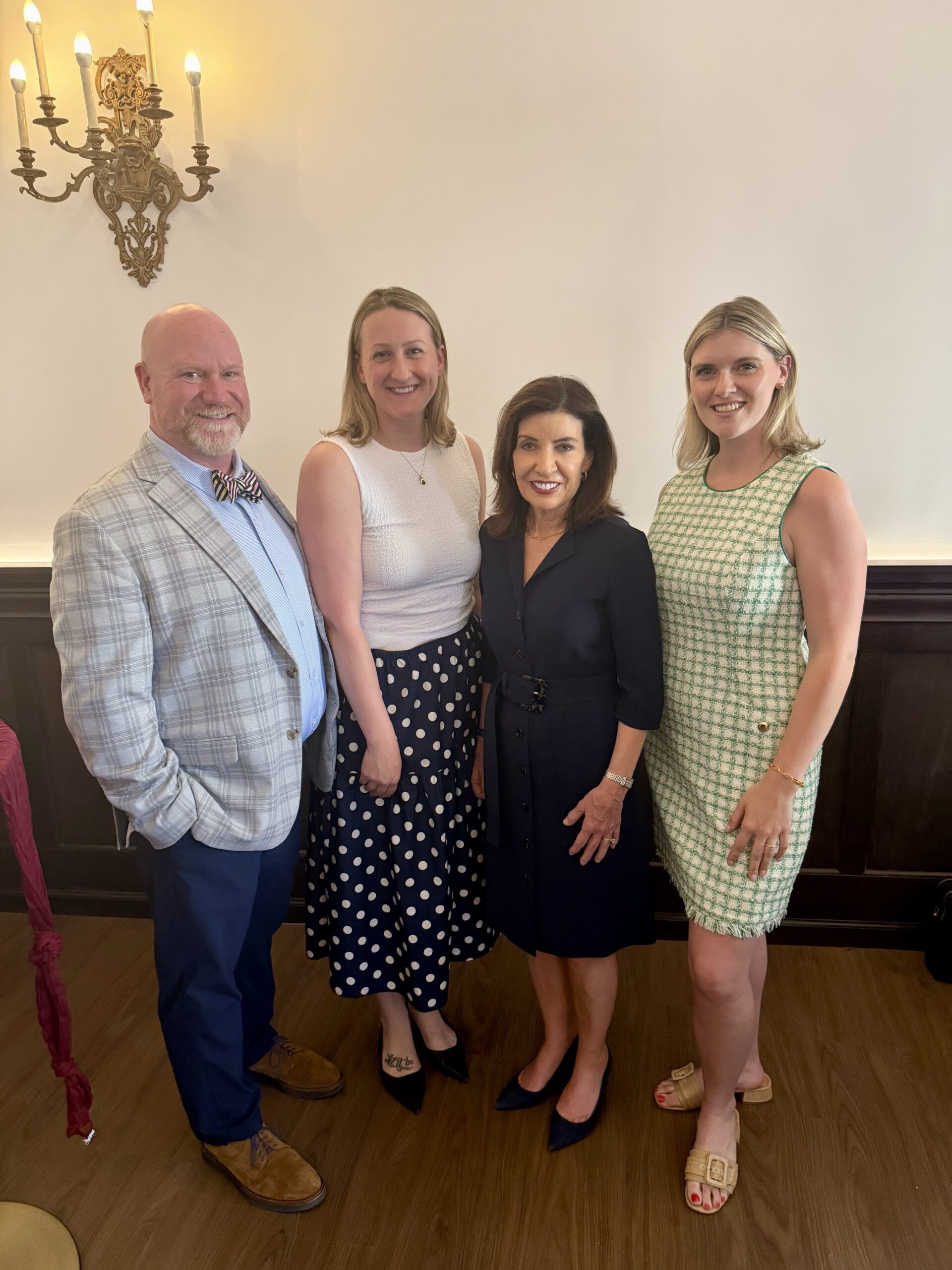
In June, IHA attended a fundraising event for Governor Hochul in Albany, where she highlighted the accomplishments of the FY 2027 budget and the 2026 legislative session. We spoke with the Governor, thanked her for her partnership throughout the budget process, and raised several Upstate and rural healthcare priorities for the year ahead.
Political Landscape
New York is entering a major period of political transition. The Legislature is seeing substantial turnover due to retirements, members seeking other offices, and leadership changes that will reshape both chambers.
In the Senate, leadership term limits enacted in 2019 are taking effect for the first time. Senate Majority Leader Andrea Stewart-Cousins is approaching the eight-year leadership limit, as is Senate Health Committee chair Gustavo Rivera and several other committee chairs. Expect discussion of this issue to intensify over the next six months as the 2027 session approaches. A confirmed change is the departure of Senate Deputy Majority Leader Michael Gianaris, which will require the Democratic Conference to select a replacement.
In the Assembly, both conferences will operate under new leadership. Assembly Majority Leader Crystal Peoples-Stokes is retiring, and her successor has not yet been announced. On the Republican side, former Minority Leader Will Barclay has departed, and Assemblyman Ed Ra of Long Island has taken over leadership of the Assembly Republican Conference.
Representation across the IHA region will also change significantly this election cycle, with nine seats turning over at the state and federal level. At the federal level, Republican Anthony Constantino and Democrat Blake Gendebien will face off in November for Congresswoman Elise Stefanik’s open seat, which represents large swaths of the North Country. See our primary results recap for the full list of races we’re tracking across the region.
At the state level, several legislators representing the IHA region will not return to their seats, including Senator Peter Oberacker and Assembly Members Robert Smullen, Chris Tague, Will Barclay, Donna Lupardo, Marianne Buttenschon, Ken Blankenbush, and William Magarelli – who recently lost his primary in close race to Maurice Brown.
IHA will prioritize early outreach to newly appointed leadership and elected officials, introducing them to the challenges facing Upstate and rural hospitals and building relationships that can carry through future sessions.

Summer In-District Meetings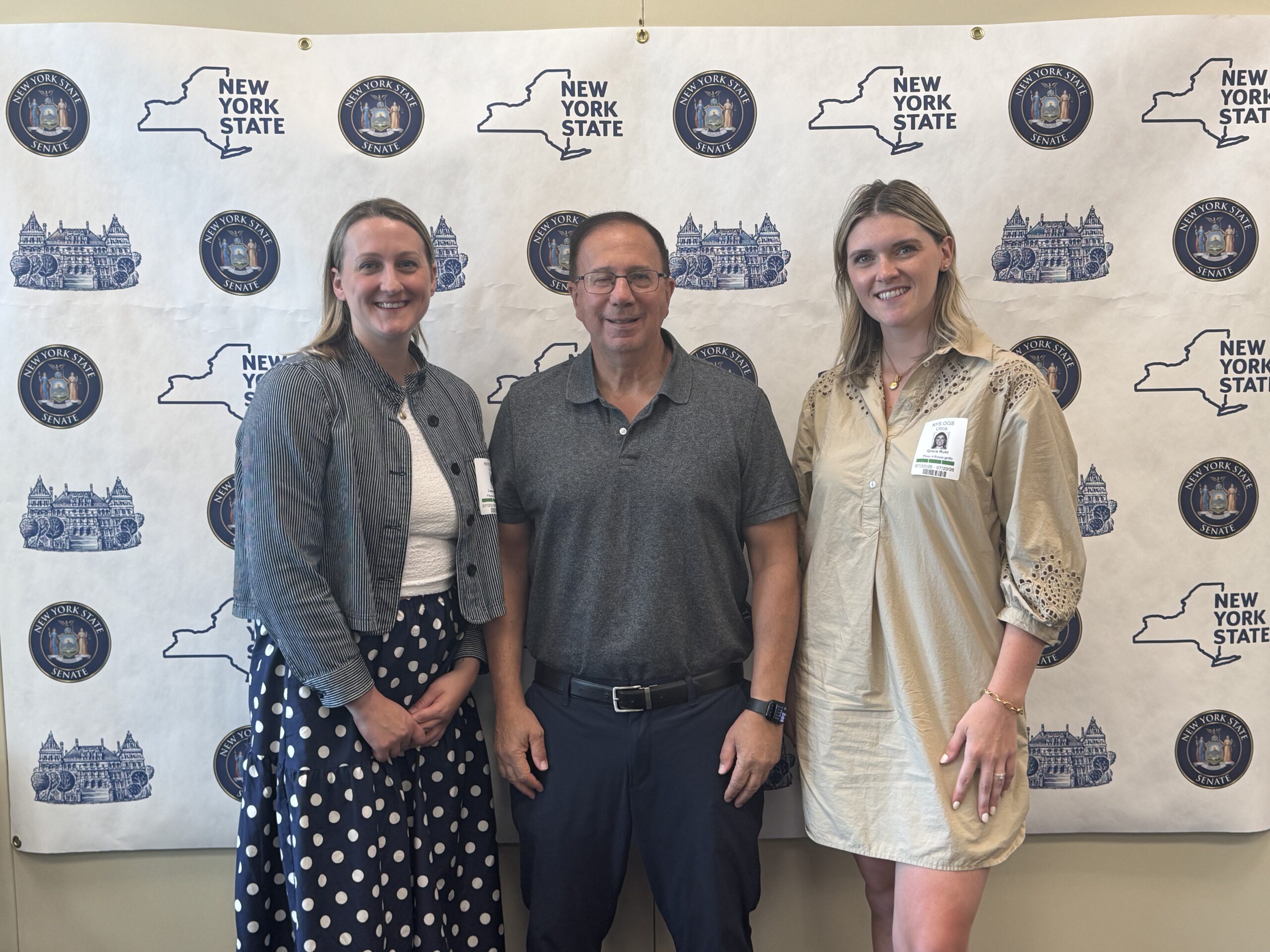
This summer, IHA will meet with state and federal legislators in their home districts to discuss Upstate and rural healthcare priorities and implementation of the Rural Health Transformation Fund, including how New York can ensure these dollars reach the rural providers who need them most.
A central focus of these meetings will be the impacts of H.R. 1. As new Medicaid eligibility redeterminations and work requirements take effect, more patients are expected to lose coverage, driving up uncompensated care costs at hospitals that are already stretched thin. Nearly 29% of all New York hospitals were already classified as financially distressed before this coverage loss takes hold, according to the Comptroller’s July report on the enacted budget, up from about 10% a decade ago. We will continue to press state and federal legislators to address this shift before it strains rural providers further.
Member hospitals interested in hosting or participating in an in-district meeting are encouraged to reach out to the advocacy team.
Thank You for a Successful Annual Meeting
IHA’s Annual Meeting and Leadership Forum, held May 27-28 at the Otesaga Resort Hotel in Cooperstown, brought together member hospital leaders from across our 32-county region for two days of discussion and networking. Dr. Steve Berkowitz spoke on the promise and practical realities of artificial intelligence in healthcare, and Thom Bales and Jill Olmstead of PwC led a session on financial sustainability and rural health transformation.
Thank you to everyone who attended, presented, sponsored, and participated. We look forward to seeing many of you at the IHA Golf & Pickleball Invitational at Turning Stone Resort this September.
Donate to UHAP PAC!
Contributions to the UHAP PAC make our advocacy work possible. By supporting the PAC, members help ensure we maintain strong relationships with key decision-makers, elevate the voice of Upstate and rural hospitals, and advocate effectively on behalf of the communities we serve. We are grateful to all members who contribute to and support these efforts.
Questions? Contact a member of IHA’s advocacy team:
- Lauren Ford, Vice President, Government Relations and Strategy, at [email protected] or (518) 348-7440
- Grace Rust, Associate Director, Government Relations and Member Engagement, at [email protected] or 518-345-7435